
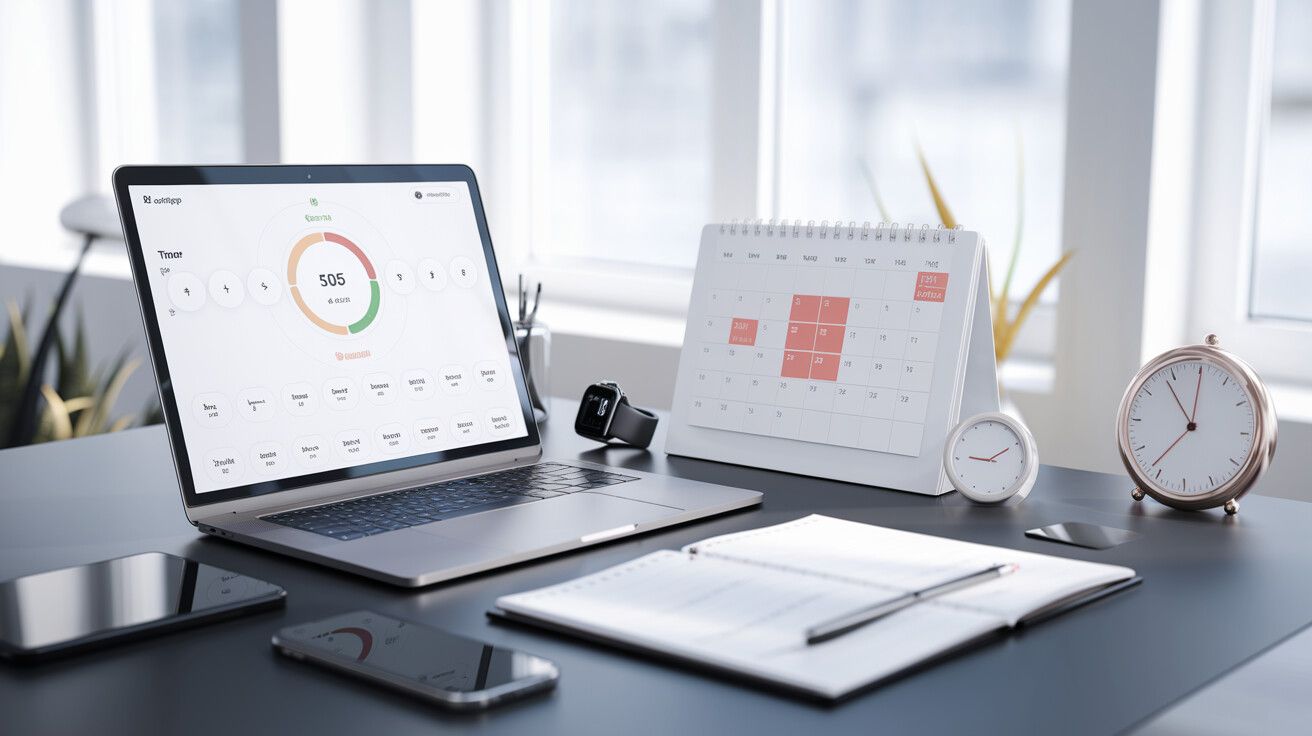
Time tracking once meant paper sheets or spreadsheets everyone fought over. Both fall apart fast with more than a handful of people. Hours get rounded up or down. Entries vanish. Payroll arguments eat up every Friday afternoon.
Dedicated apps fix the recording mess. The decent ones go further and show what actually filled those hours.
Many teams jump straight to Controlio software because it covers the basics and the parts most tools ignore. It logs clock-ins automatically, no matter the device. It tracks which apps and sites stay open. It flags idle stretches without making employees punch extra buttons. Managers pull clean reports they can hand straight to payroll or clients.
What actually separates good time clock apps from average ones
Basic tools capture a start time and a stop time. Strong ones watch the work that happens in between. You see which programs stayed open, how much mouse and keyboard movement occurred, and where those long idle gaps sit. That extra detail turns raw numbers into decisions you can actually use.
Field crews need GPS proof so nobody clocks in for their buddy on the next job site. Remote workers need solid offline support and automatic time zone fixes; otherwise, reports go sideways when someone crosses three zones. Hybrid setups need different rules for different people. Office staff should not face the same monitoring level as field crews. Apps that slap identical settings on everyone create tension or legal headaches in stricter places.
Controlio software stands out for teams that need more than timestamps
Controlio software records attendance, active versus idle time, and app usage without extra hassle. Rule-based screenshots help clear up questions about real work during logged hours. Productivity scores and trend views highlight bottlenecks before they drag projects late. The dashboard stays readable whether you check one person or the whole team.
Setup takes minutes. Employees load the desktop agent or mobile app and go. Reports export in formats your payroll system already understands. Remote and hybrid groups run the same tool without juggling separate logins. The 14-day trial lets you test up to 10 users with real work, so you see the difference before committing.
Clockify still works when you keep things simple
Clockify gives a strong free plan with project timers, task tracking, and basic reports. Freelancers and tiny teams stick with it for years. It skips deep activity monitoring and GPS, which suits groups that run on trust and light oversight.
The interface stays out of the way. Add billable rates and export invoices in a couple clicks. Once your crew grows and people start asking where the hours really went, most move on to tools with better logs.
Hubstaff handles crews that move between locations
Hubstaff pairs time tracking with optional GPS and activity levels. Construction, delivery, and field service teams use the location proof to confirm people actually reached the site. Screenshot and URL tracking stay optional so you control how much you turn on per role.
Reports combine hours with location data. Some managers leave monitoring light for veterans and tighten it for new hires. Expect a slightly steeper setup than pure timers, but the field features pay for themselves quickly.
When I Work fits shift-based operations
Retail stores, restaurants, and hospitality groups often pick When I Work because scheduling and clock-in live together. Staff see their shifts on their phones and tap in with one action. Managers approve timesheets from the same screen and cut down on no-shows.
It focuses less on deep productivity analytics. If your main headache is getting the right people on the floor and paying them right, this tool covers the ground without unused extras.
How most teams pick the wrong tool
They chase the lowest price or the nicest-looking dashboard. Then they slam into user limits, broken exports, or constant manual fixes. Free tiers suddenly cap projects right when cash flow feels tightest. Monitoring features get flipped on everywhere without checking local consent rules, which creates bigger problems later.
Test with the actual people who will use it. Run one full payroll cycle before you flip the switch for everyone. Check how the app behaves when the internet drops or someone works across time zones.
One detail most reviews miss
A timestamp only proves someone opened the app. It says nothing about what happened next. Better tools also log app switches, idle minutes, and activity levels. You spot patterns like repeated long breaks disguised as work. You also see when eight logged hours produced only four hours of output.
That gap matters most for remote teams and hourly contractors. It turns tracking from a compliance checkbox into something that protects payroll accuracy and project margins.
Controlio software builds that layer in naturally. Reports stay practical whether you run five people or fifty. Start the trial, feed it real work for a couple weeks, and compare the numbers against your current process. Most teams see cleaner payroll and fewer arguments inside the first month.
